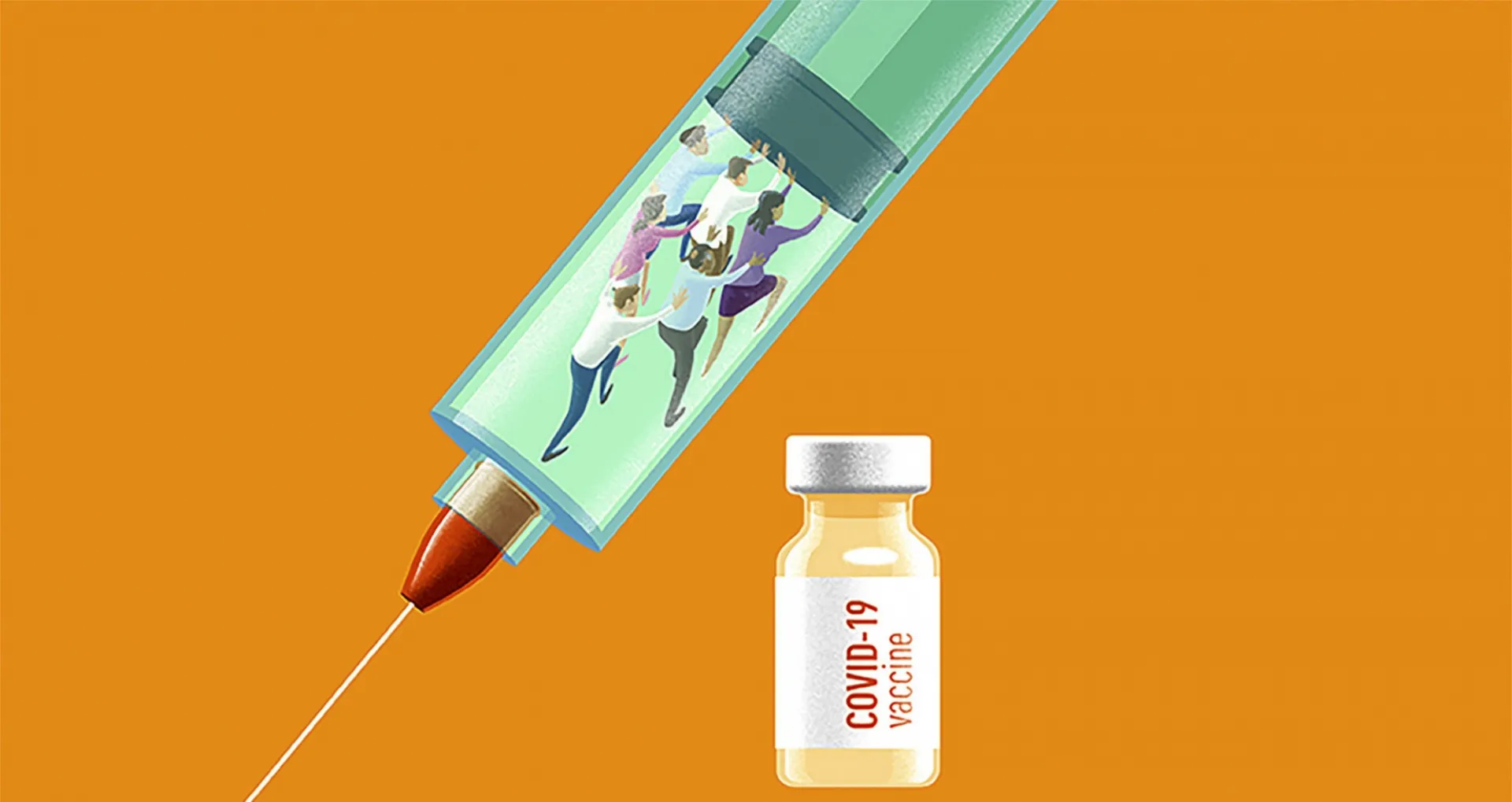
The input of experts gave us an opportunity to do a virtual stock-take on our response to Covid-19, particularly since the advent of safe and effective vaccines in late 2020. The symposium offered a wealth of information, which is now very important to distil and make accessible to many more people.
I say this partly because whilst technologies like Zoom make it possible to sit in a “room” with the world’s best experts, this symposium is also an example of how the digital divide deepens inequality — and in this instance the inequality (as is so often the case) is about a fundamental human right: the right of everyone to have access to life-saving health information.
This is symptomatic of a deeper pathology of Covid-19:
- A lot of the discussion about Covid has taken place amongst political and health elites;
- By time it gets handed down to ordinary people, it comes as pre-cooked instructions or “recommendations”, that don’t allow thinking and ownership by the people who receive it, hence the hesitancy.
For example, the title of one day’s discussion was, Vaccine hesitancy — what makes Covid vaccination different? Speakers pointed to vaccine hesitancy as something we have seen since the advent of vaccines, which is true. And yet clearly there is a difference to early 20th- and early 21st-century vaccine hesitancy.
I will blame this hesitancy on what I call “the Covid-paradox”, which for those with longer memories might remind you of what Aids activist, Australian judge Michael Kirby once termed “the Aids paradox”.
The Covid paradox is this:
- Inequalities have sharpened since the commencement of the last great viral pandemic, HIV. In particular, the defunding of public health and austerity means millions of people have less access to quality healthcare services, and doctors especially (certainly in developing countries).
- But simultaneously there’s been a revolution in media, which means they have more access to health information and misinformation. Hence the coming into being of what the WHO has called info-epidemiology.
This makes meaningful communication more important: and here it’s important to distinguish between communication that creates awareness and that which leads to understanding/knowledge with which people can make informed decisions. Once upon a time, we placed a premium on informed consent. In this epidemic, particularly in relation to decision-making about vaccinations, it seems much less important. It shouldn’t be.